
Beauty isn’t a luxury for later. It’s essential — now.
What neuroscience, psychology, and decades of research tell us about why beautiful environments shape healing, hope, and belonging.
What spaces change us

Healing
Patients recovering from surgery with views of trees healed faster and required less pain medication than those facing a wall. Our bodies respond to natural beauty in measurable ways.
Learning & Mental Health
In studies comparing identical housing sites, children living near green space showed better stress regulation and higher academic achievement than those surrounded by concrete.

Memory & Identity
The part of the brain that helps us navigate space also stores long-term memory. The places we inhabit become woven into the stories of who we are.

Safety
Neighborhoods lined with trees have shown measurable reductions in crime compared to those without. Thoughtful design influences how safe and connected we feel.
We’re Wired for BeautyFor most of human history, beauty was considered one of the highest goods. Modern science confirms what philosophers long understood: our brains are designed to respond to beauty.
Beauty is not decoration. It is deeply biological.
What makes something feel beautiful?
Clear: It makes sense at a glance. We can organize what we see without strain.

Engaging: It holds our attention and invites us to look closer.

Personal: It reflects something familiar — cultural, relational, or meaningful to us.
These three qualities (also referred to as coherence, complexity and hominess) reflect how we tend to experience beauty in a space. They’re shaped by how our brains process what we see, feel, and recognize as meaningful, and show up in environments that are easy to understand, hold our attention, and feel familiar or significant. These core qualities are shaped by specific, tangible features of the environment, elements we can intentionally design.
What shapes how we experience a space?

Scale: Spaces proportioned to the human body feel welcoming rather than overwhelming.
Edges: Clear boundaries create psychological safety and comfort.
Light: Natural light regulates mood, energy, and circadian rhythm.


Shapes: Organic curves and human-scale forms feel intuitive and calming.


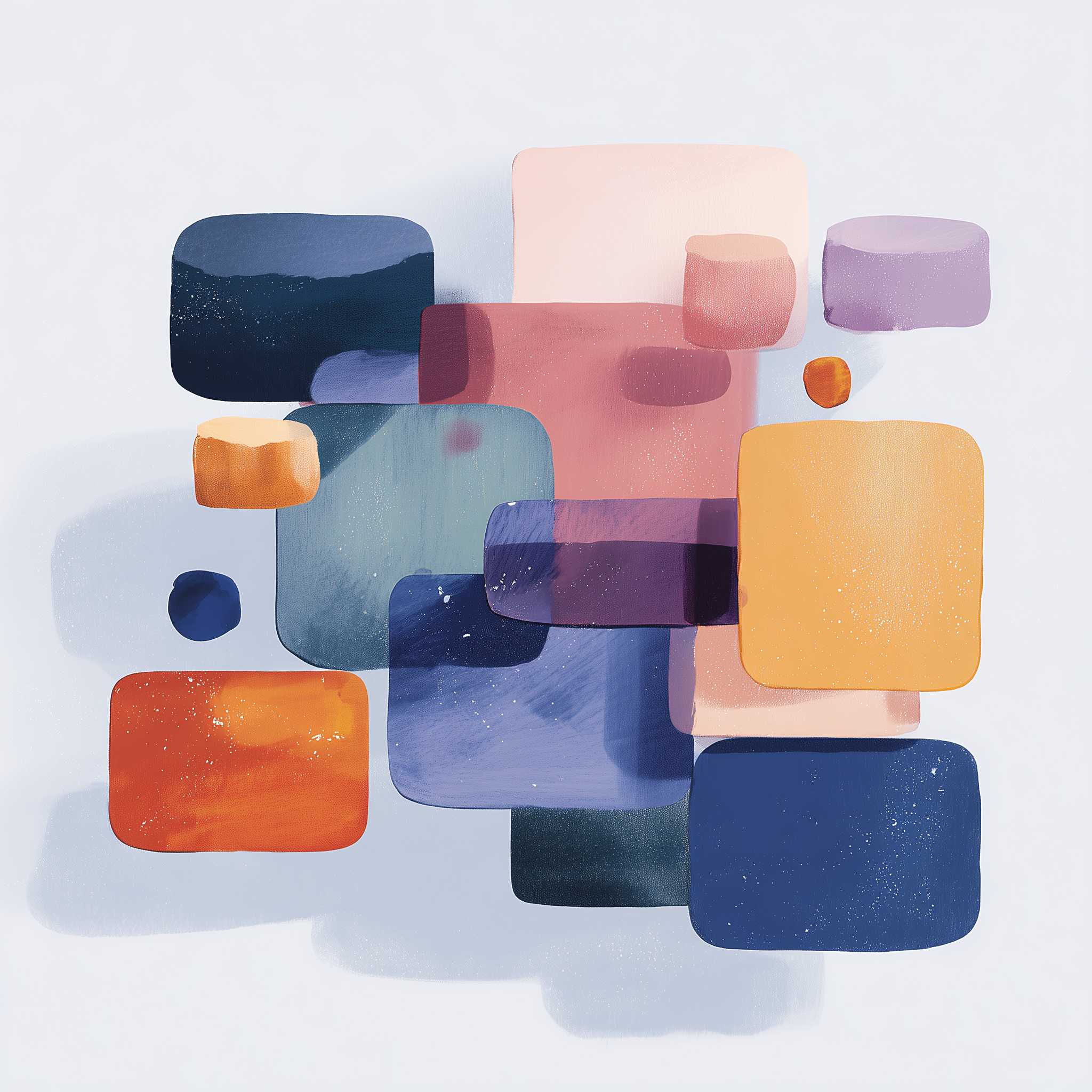
Color: Color influences mood, focus, and emotional tone.
Human-ness: Evidence of human touch — craft, art, care — makes a space feel lived in and loved.
Beauty Brings Us HomeBeauty matters for everyone. But for people who have lost home or been forced to flee, it becomes essential.
Home is not only walls and a roof. It is dignity, belonging, and memory. Beauty is how we rebuild that.
You’ve likely felt it yourself — the moment when a new place finally feels like home. That shift is rarely about square footage. It’s about care, meaning, and familiarity.
For those rebuilding after loss, beauty is not optional. It is foundational.

Beauty supports healing
When something traumatic happens, our bodies process it before our minds can explain it.
Simple acts — sweeping the ground, hanging fabric, arranging objects — help regulate the nervous system. Beauty creates space for the body to feel and recover.
There is no healing without feeling. Beauty helps to make that possible.

Beauty lays the foundation for hope
Chronic stress narrows our thinking. It becomes difficult to imagine a better future.
Beauty interrupts that stress cycle. It creates a moment of positive engagement — a pause where the brain can rest, imagine, and begin to hope again.
Hope is not abstract. It grows from lived moments of possibility.
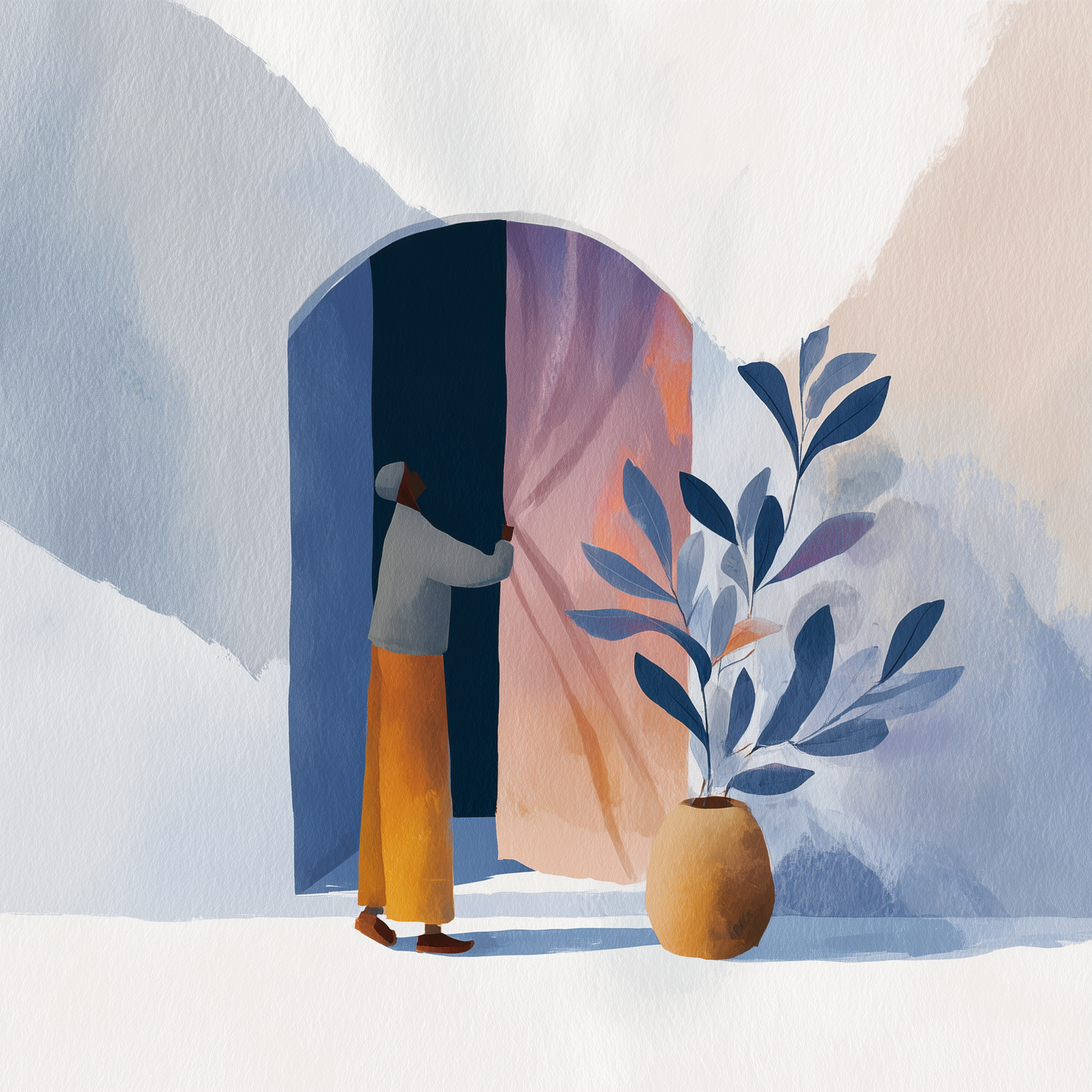
Beauty restores agency
Displacement strips away control. People cannot choose when conflict ends or systems change.
But they can choose how a space is arranged. Where color lives. How a gathering happens.
These small decisions matter. Beauty becomes a practical, accessible way to reclaim ownership and dignity.
It shifts the question from What happened to me? to What can I shape now?

Beauty connects us to memory
Beauty carries identity. It holds tradition, family, culture.
Decorating a shelter. Cooking in a familiar way. Singing a song from home.
These acts create continuity between past and present. That continuity allows people to move forward without losing themselves.

Beauty builds connection
When neighbors paint a wall together or gather in a cared-for space, relationships form.
Trust grows. Isolation softens.
Research consistently shows that relationships are one of the strongest predictors of human wellbeing.
Beauty creates the conditions where connection can take root.