
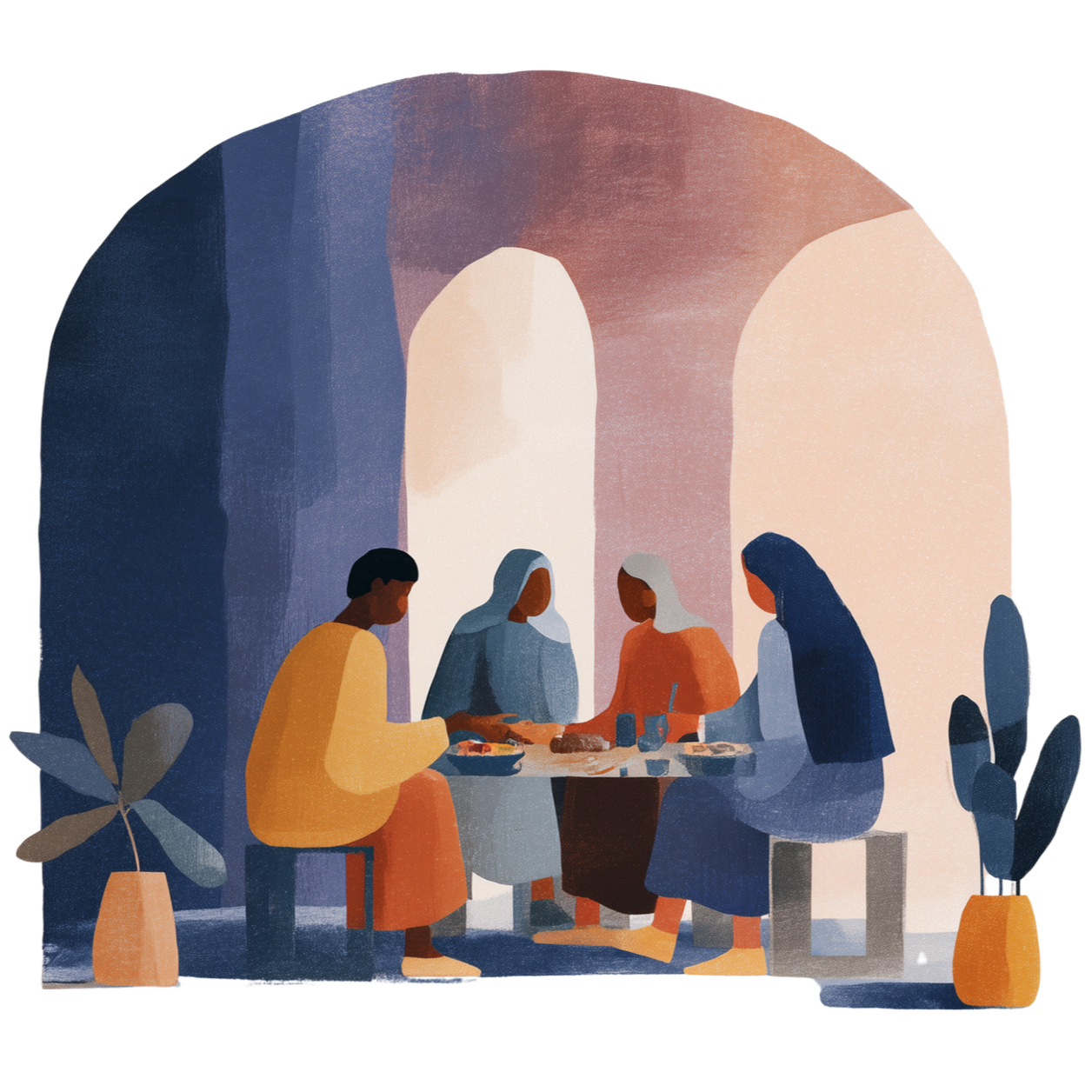
Because every place deserves to feel like home
120 million people are displaced worldwide.
Most will spend years — sometimes decades — in places that were never designed for actual life.
Everyplace is changing that.

Beauty is how people rebuild.
our core beliefNot beauty as decoration.
Beauty as dignity. Beauty as belonging.
Beauty as the quiet, powerful act of saying: I am still here. This place is mine. I matter.
When refugee communities plant gardens in dust, paint murals on walls never meant to last, or build gathering spaces out of whatever is available — they're not doing something extra. They're doing something essential. They're making life livable. They're making home.
Everyplace exists to recognize that impulse, fund it, and help it go further.
what we doWe work alongside refugee communities to make the places they live feel more like home.
We do this because the places people live shape how they heal, how they hope, and how they begin to rebuild.
We do this because beauty is what can turn any place into a place that feels like home.
When a space finally feels like it belongs to you, something shifts.
We work to restore dignity, agency, and belonging so that refugees can rebuild, recover and remake home once again.
Together, we transform shared spaces through a community-led process built around beauty, design, art, and placemaking.
We do this in three ways:
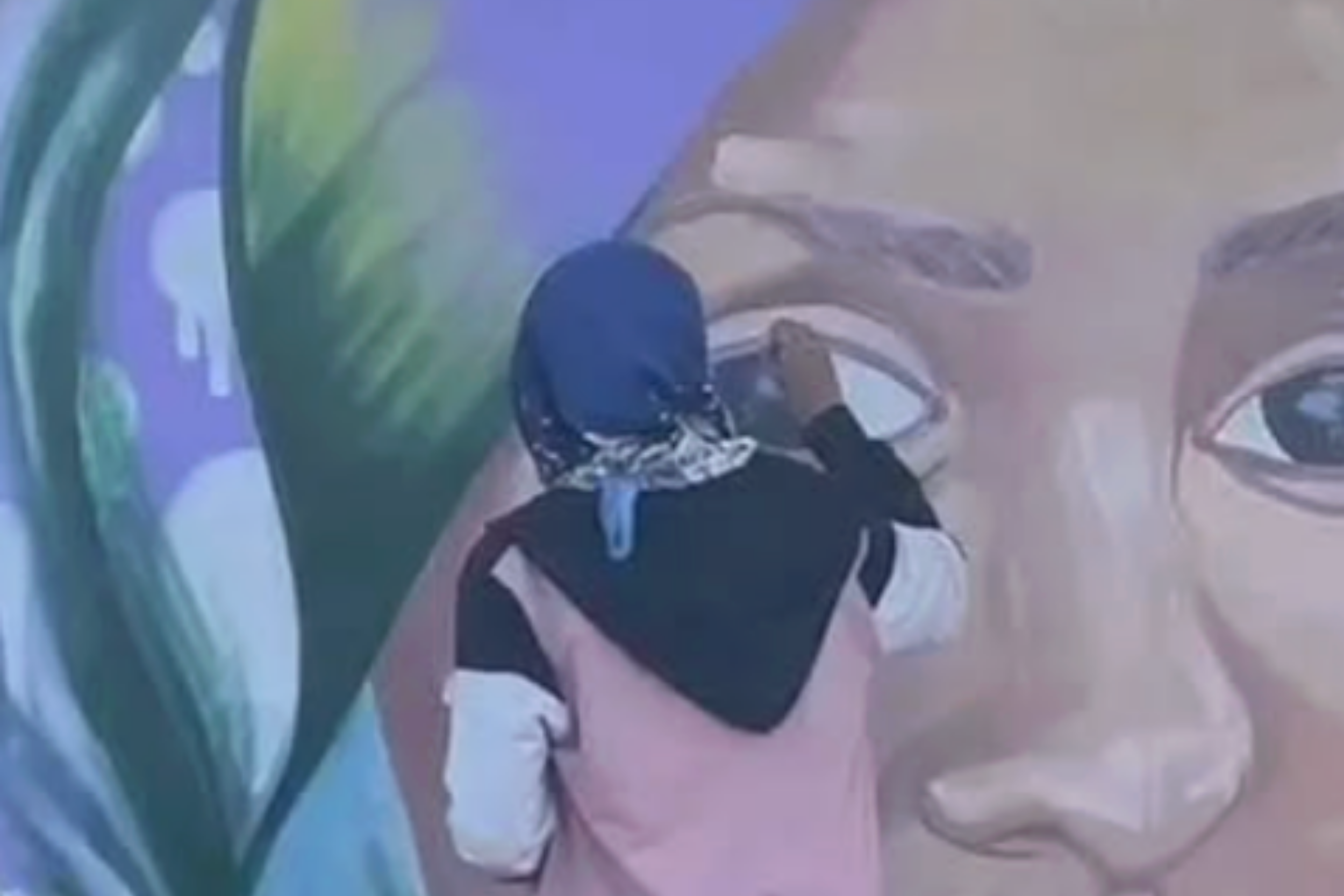
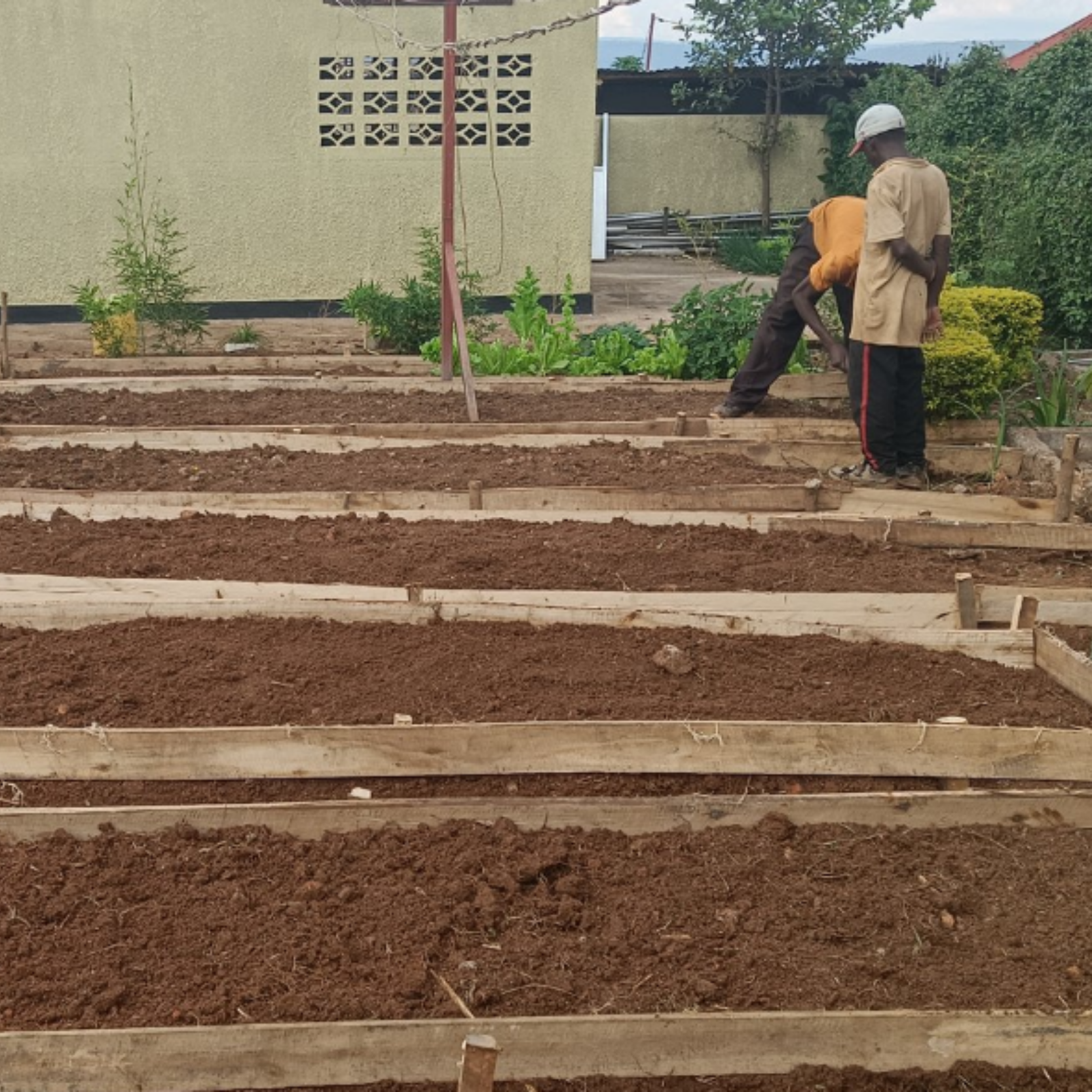
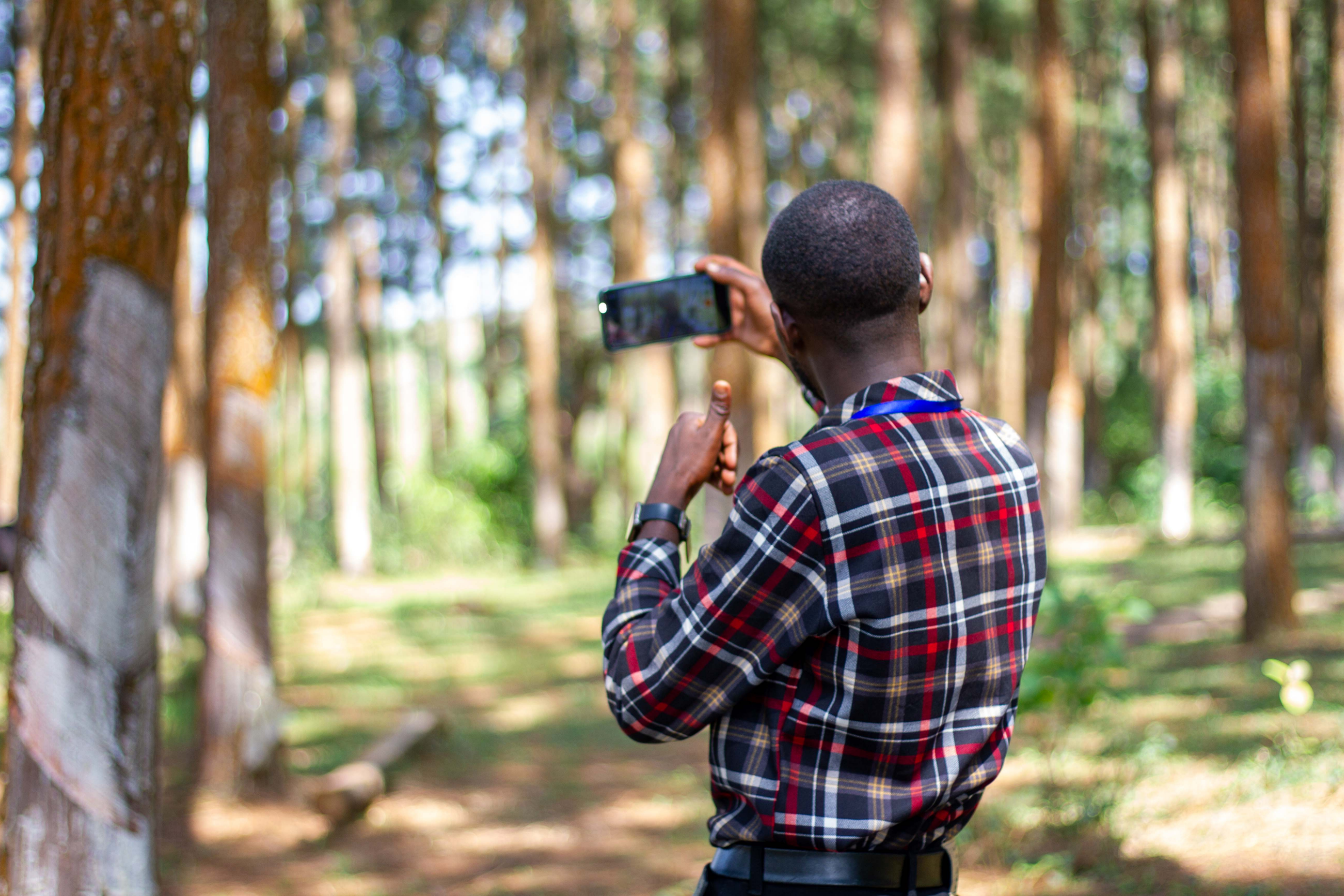
We build local capacity.
We bring refugee-led organizations together in cohorts and give them the funding, training, and peer support to lead space transformation in their own communities — because no one knows a community better than the people who live in it.
We transform shared spaces.
Starting with a simple question — Where is beauty here? — communities map what already exists, co-design a plan, and then build it themselves. Projects might be murals, gardens, gathering spaces, redesigned community centers, or revived cultural spaces. What they look like is always defined by the community.
We shift public perceptions.
We document what happens when communities lead. We make those stories visible — to funders, to humanitarian systems, and to the world — because the way the world sees refugees needs to change, and communities deserve to be the authors of their own narratives.
Learn more
-
Everyplace doesn't arrive with plans.
We start by asking: what is already here? Every community we work with is already doing this — planting, painting, decorating, making. The impulse to create home doesn't disappear in displacement. It goes underground. Our job is to bring it to the surface.
We partner exclusively with local, refugee-led organizations. This is a deliberate choice. Local organizations hold the trust, relationships, and cultural knowledge that no outside actor can replicate. They are frequently run by young people, which means our investment in them is both immediate impact and long-term leadership development.
Communities don't consult on projects. They lead them. From mapping what exists, to designing what could be, to building it with their own hands — the process itself is where some of the deepest change happens.
-
Everyplace builds on the foundational work conducted by Clark University’s Home Ground Lab.
Home Ground Lab was a research initiative that explored how beauty, place, and the built environment shape dignity and belonging for communities affected by displacement.
This lab developed frameworks, methodologies and concepts demonstrating that beauty isn't optional in humanitarian response; it's infrastructure. Everyplace works to advance and implement these findings.
-
Everyplace is fiscally sponsored by the Players Philanthropy Fund, a Maryland charitable trust recognized by the IRS as a tax-exempt public charity under Section 501(c)(3) of the Internal Revenue Code (Federal Tax ID: 27-6601178). Contributions to Everyplace are tax-deductible to the fullest extent of the law.
Stephanie Acker brings nearly 20 years of experience working locally, nationally, and internationally on refugees' rights and protections. Her career began on the ground—running place-based and interfaith community organizing initiatives in refugee and immigrant neighborhoods. She is a co-founder of Soccer Nights, a community program in Cambridge, Massachusetts that has run consecutively for more than 18 years.
That grassroots foundation shaped everything that followed.
At the municipal level, Stephanie led the City of Boston's emergency shelters and supported initiatives at the intersection of community engagement, public health, and equity. At the federal level, she worked as the National Public Information Officer with the Office of Refugee Resettlement at the U.S. Department of Health and Human Services, overseeing operations and communications for the influx shelter response on the Southwest border for unaccompanied asylum-seeking children. She also worked as a policy analyst with the Office of the Assistant Secretary for Planning and Evaluation at HHS, advancing evidence-based refugee policies and services.
Internationally, Stephanie has held roles with UNICEF, supporting global child protection and humanitarian programming, and with the Alliance for Child Protection in Humanitarian Action, where she co-led work on assessment, measurement, and evidence.
Academically, Stephanie has held roles with the European University Institute’s Migration Policy Centre, where she has overseen engagement, communications, and public-facing initiatives at the intersection of research, policy, and practice. She spearheaded outreach, program design and curriculum to create, U-Lead, a participatory youth program designed to foster leadership, belonging, and civic engagement among diverse groups of young people, including migrants, refugees, and local youth in Florence, Italy. She is also a visiting scholar at Clark University's Integration and Belonging Hub.
Across every role, Stephanie is known for bridging rigorous research with accessible storytelling. She has led global communications strategies, designed participatory and arts-based research processes, authored policy-relevant content, and helped organizations translate evidence into funding, advocacy, and program design.
She was born in Southern California, considers Boston home and is currently based in Florence, Italy, where she lives with her husband, three kids, and six bikes.
Meet our founder
We need you
Every transformed space is proof of what's possible.
Your support helps us reach more communities, document more change, and make the case that beauty and belonging belong in every humanitarian response.