
Programs
We partner with refugee communities to transform camps, settlements, and shelters into places of beauty, dignity, and belonging—through art, design, and creative placemaking.

Brighter
Featured PROJECT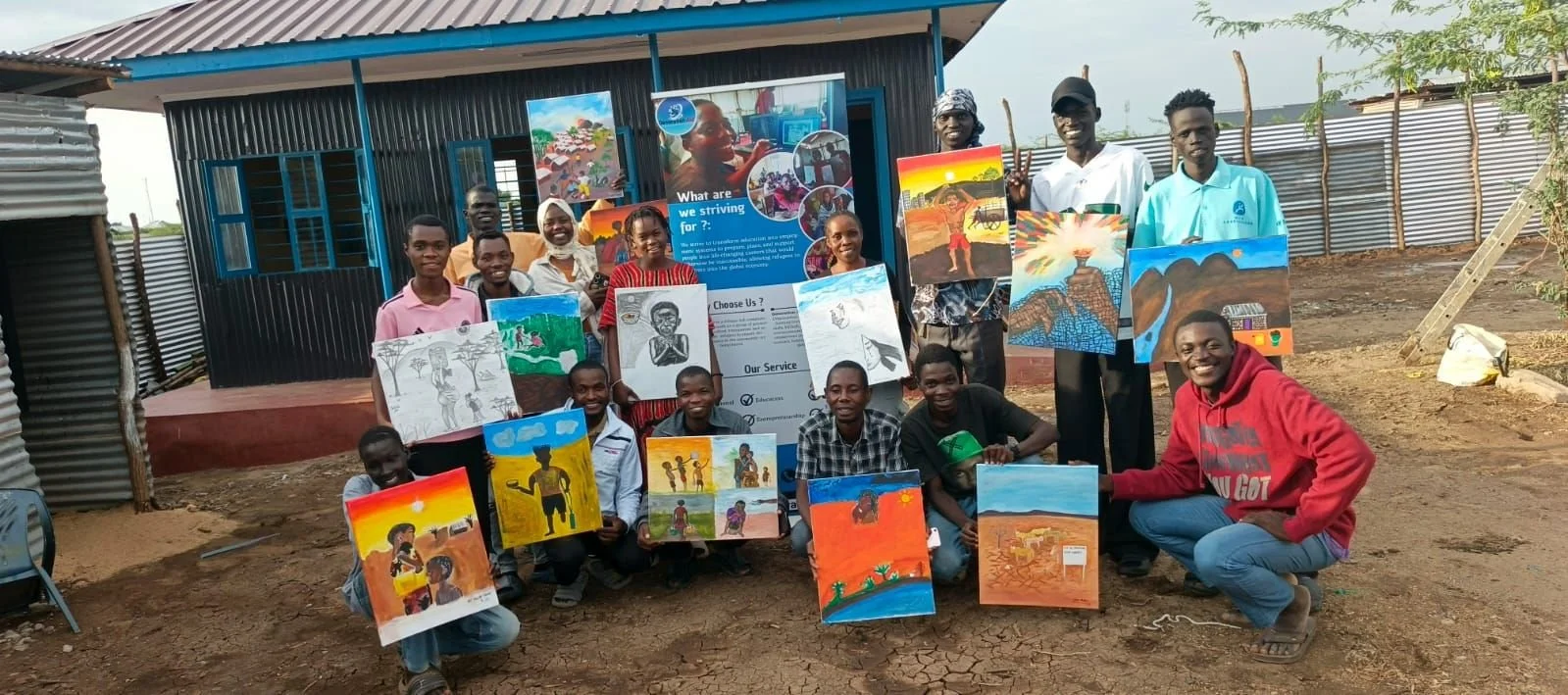
Kakuma Refugee Camp & Kalobeyei Settlement, Kenya
In Swahili, Kakuma means "nowhere." But in Kakuma and Kalobeyei, refugees are creating somewhere—building community, making art, and transforming shared spaces into places of beauty and belonging.
BRIGHTER (Beauty, Belonging & Creative Expression) is a community-led project bringing together 15 local artists, 15 refugee-led organizations, and community leaders to transform RLO offices and gathering spaces through art. The project includes workshops, mentorship, and a public exhibition celebrating local talent.
Local Partners:
RECAN (Refugee Changemakers Network) • Generation Aid / Senga Gallery • T-SHA Films
Initiated and funded by Home Ground Lab
The opportunity
Become an everyplace partner
Everyplace is inviting refugee-led organizations to join our founding cohort, a community of leaders exploring what beauty means in their communities and sharing those stories with the world.
Through flexible funding, peer connection, and a global storytelling platform, this pilot is a chance to show that displaced communities are not just surviving, they are creating, leading, and making home wherever they are.
Selected partners will receive up to $8,000 across three phases — starting with a community mapping process and growing into a fully funded beautification project designed and led by your community. You don't need to be artists or designers. You need to know your community, have their trust, and believe that beauty matters.
Purpose
We believe beauty is not a luxury, it's how people survive, heal, and belong, everywhere and in every place.
Research shows that our physical environment directly affects our mental health, our sense of safety, our ability to heal from trauma, and our capacity to hope.
How it works
Our pilot uses a phased approach. We start small, learn together, and expand support for partners who show strong engagement. Please read the details and targeted outcomes below for each phase.
-
Funding: $1,000 | Duration: 2–3 months
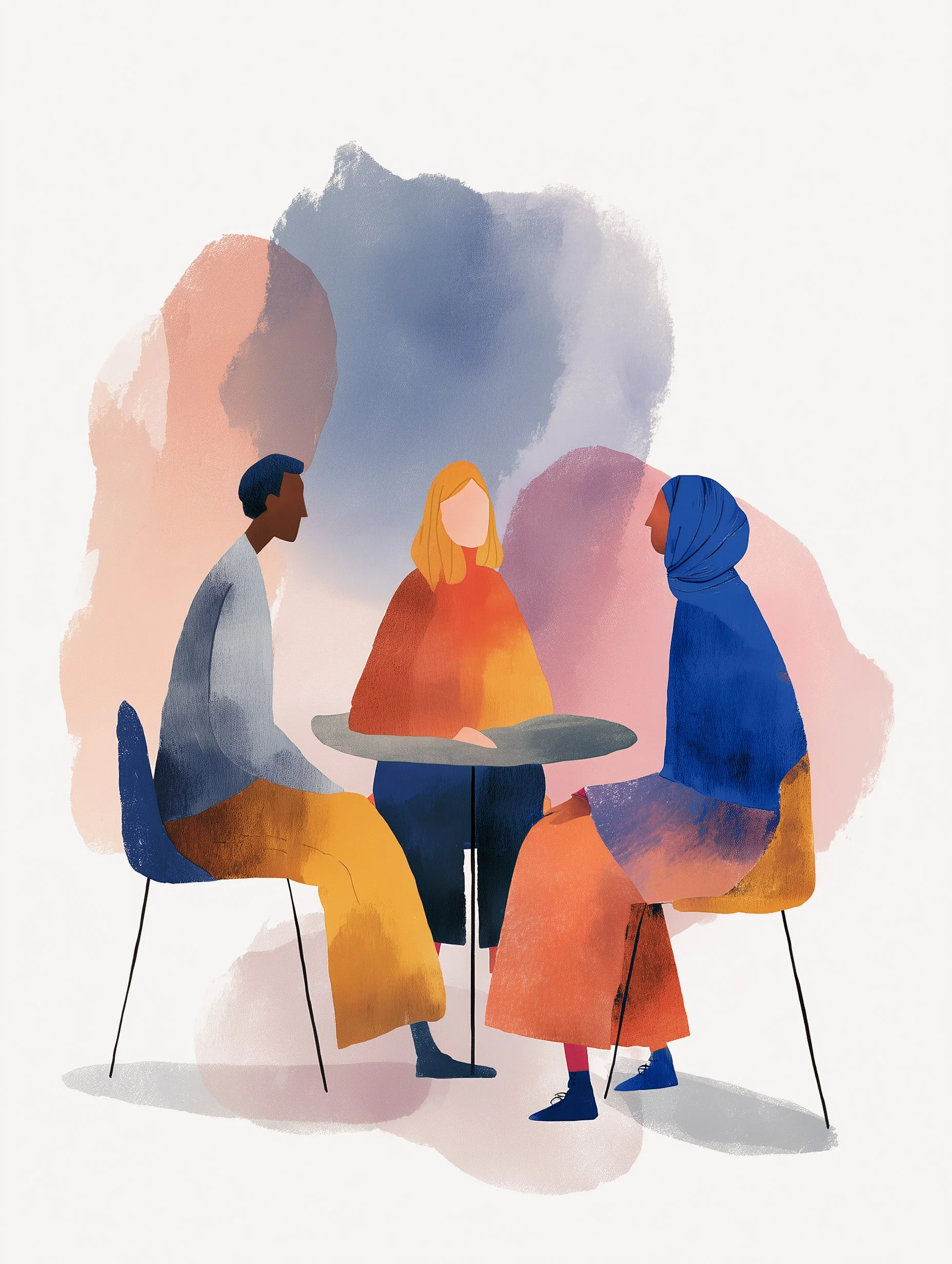
Your organization will lead a community process asking one simple question: "Where is beauty here?"
This can be as simple as going neighbor-to-neighbor and asking:
What do you see as beautiful here?
What does beauty mean to you?
How does beauty help you survive, heal, or belong?
You'll document what you learn through photos, videos, and stories, then submit a simple report with insights and assets mapped (gardens, murals, decorated homes, gathering spaces, cultural practices, and more).
Phase 1 is also a time to identify local talent — artists, designers, craftspeople, and architects in your community who might want to be involved in a future project.
Outcomes:
A clearer sense of your community's shared vision and priorities
Emerging leaders and allies who share a passion for your neighborhood
A heightened sense of pride among neighbors in what your community has already created
Your community's stories become part of a global storytelling campaign, working to shift how displaced communities are seen
-
Support: Coaching, guidance and technical support
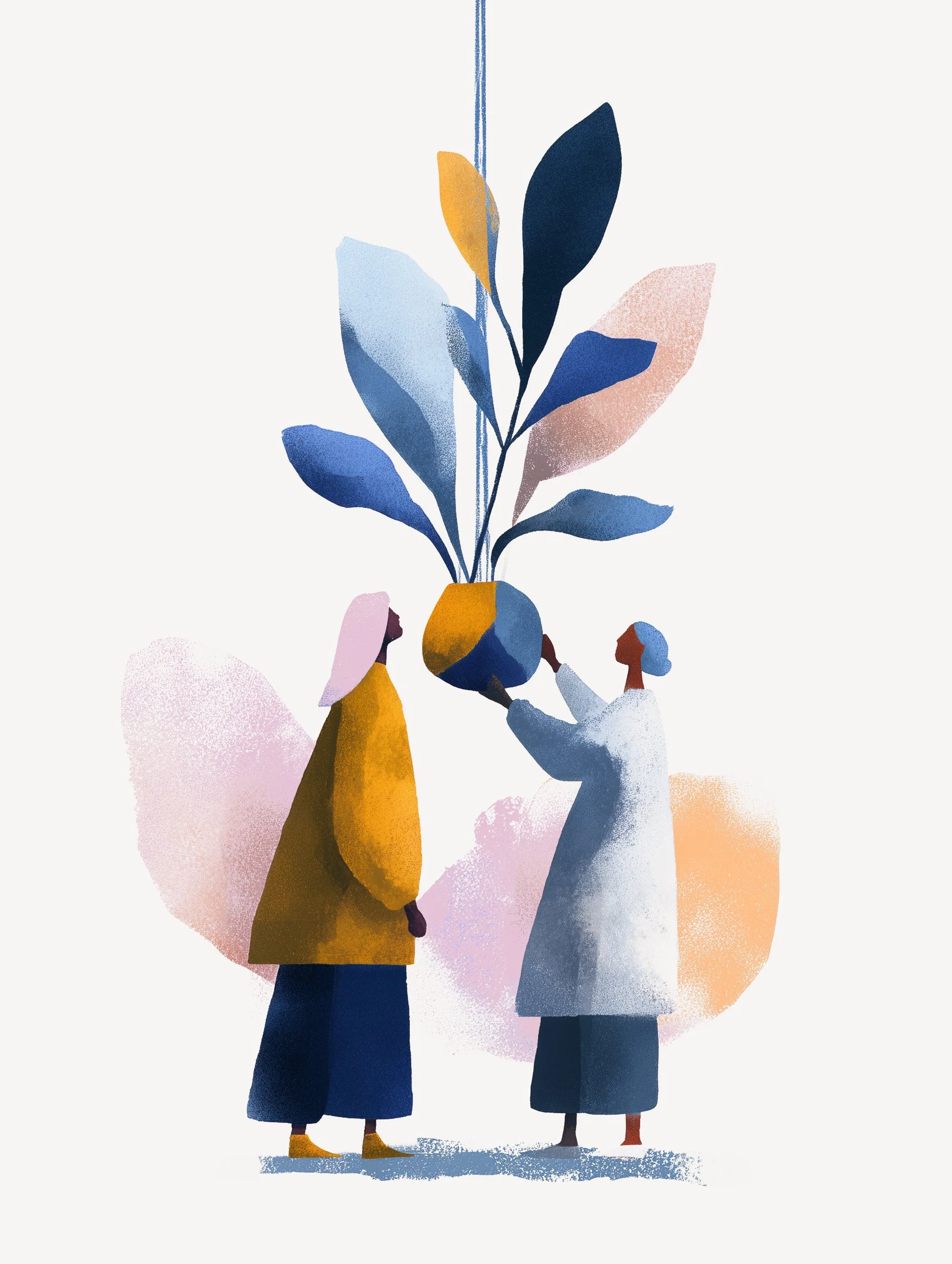
Selected partners work with us to turn Phase 1 insights into a clear plan: identify community leaders, define the project, and create a timeline and budget.
If helpful, Everyplace can connect you with technical advisors — artists, designers, and placemakers — who can offer guidance as you bring your project to life.
Not all Phase 1 partners continue to Phase 2. Sometimes communities realize it's not the right fit or timing — and that's okay.
Outcomes:
A defined project plan with clear steps, roles, and key stakeholders
A realistic timeline and budget ready for implementation
-
Funding: $7,000
Selected partners receive funding to implement their community-led plan, document outcomes, and contribute to shared learning.
Outcomes:
A completed project that brings greater beauty into your built environment, designed by your community, for your community
A space transformed and celebrated as a reflection of local identity and collective vision
Documentation and insights to inspire other communities doing this work
Who should apply
We're looking for organizations that are:
Refugee-led and locally rooted — with clear trust and presence in your community
Working in displacement-affected contexts — camps, informal settlements, host communities, resettlement neighborhoods, or protracted displacement settings
Able to lead community engagement — you can convene, listen, and facilitate (no design experience needed)
Able to document and share — you can take photos, collect stories, and complete simple reporting
Able to manage a small grant — you can track receipts and basic expenses (we'll provide templates)
You do NOT need:
✗ To be designers, artists, or architects
✗ A minimum number of years in existence
✗ A minimum annual budget size
✗ Prior experience with grants
✗ A fully developed plan
Basic requirements:
Proof you are an organization (charitable entity, association, or similar) in your country
A bank account able to receive a wire transfer
Your organization cannot be on the OFAC sanctions list
Examples
What do projects look like?
There is no set template. It has to be defined by your community’s vision and priority, but here are some examples we’ve seen.
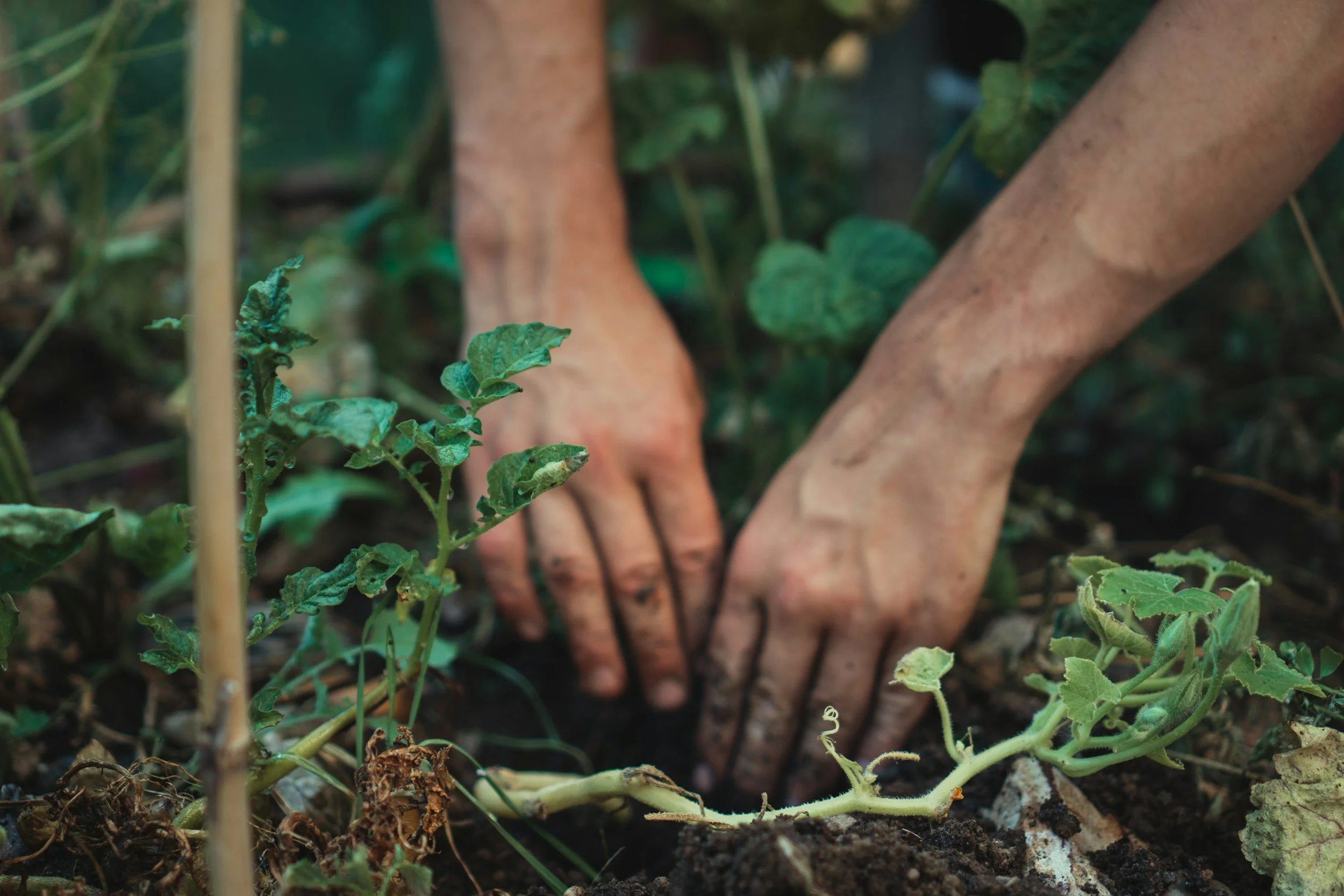
Increasing native greenery
One community supported local gardeners to help beautify the fronts of homes and keep native plants alive.
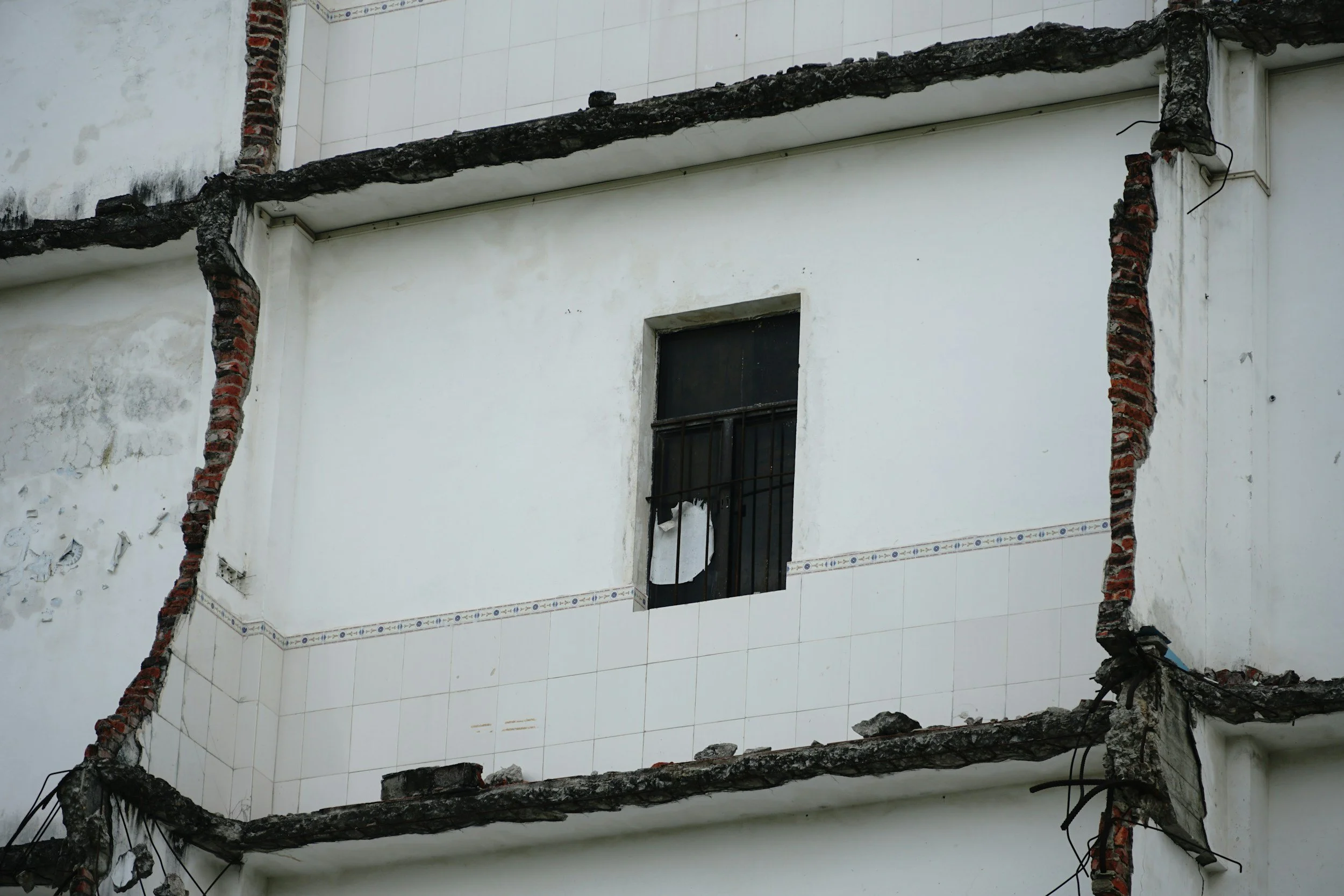
Reclaiming a difficult space
Residents chose a building marked by significant violence that had been abandoned for years. They transformed it into a space that felt safe, dignified, and communal.
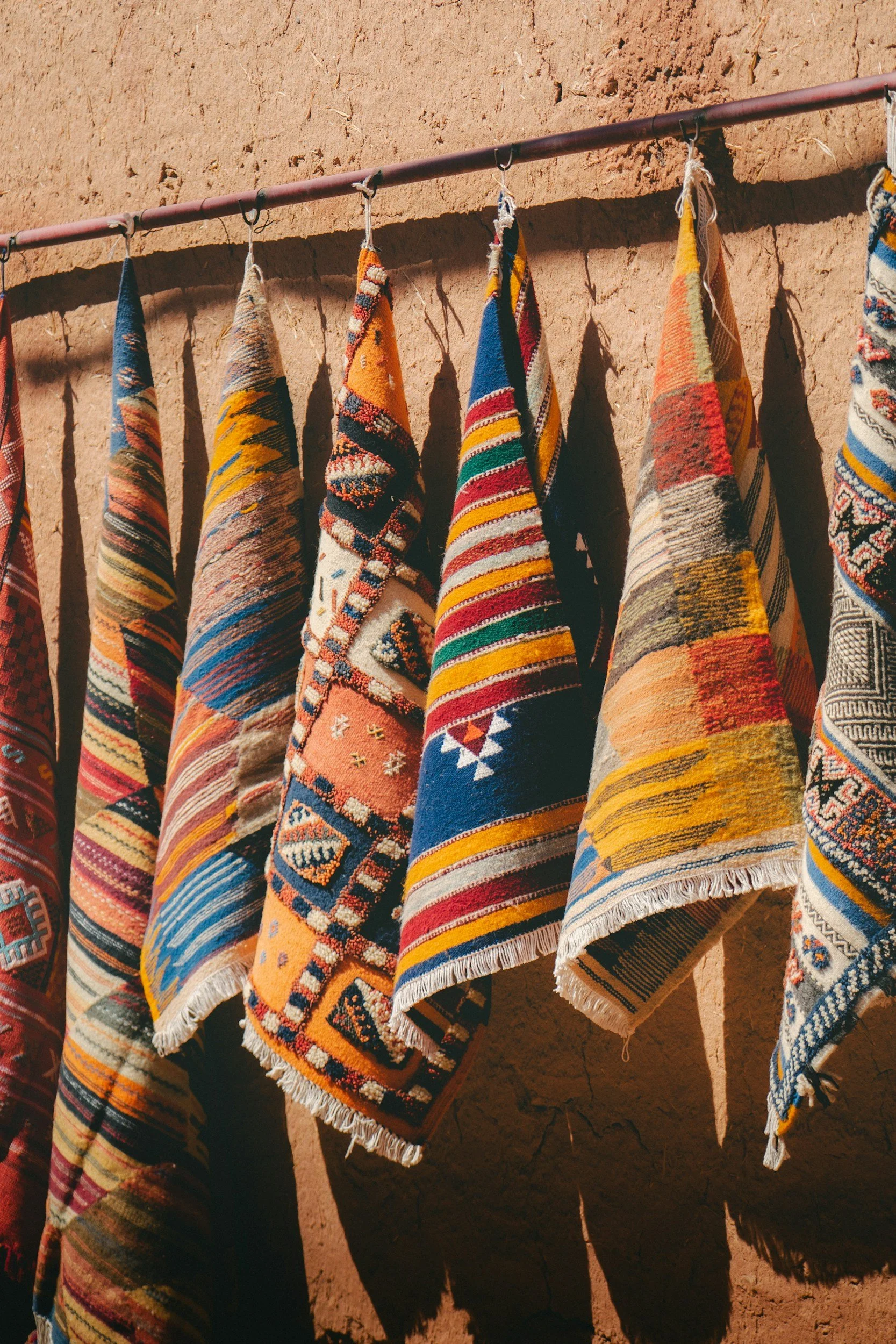
Beautifying individual homes
An organization provided support specifically for households to beautify their homes in ways that helped them remember their past and feel at home.
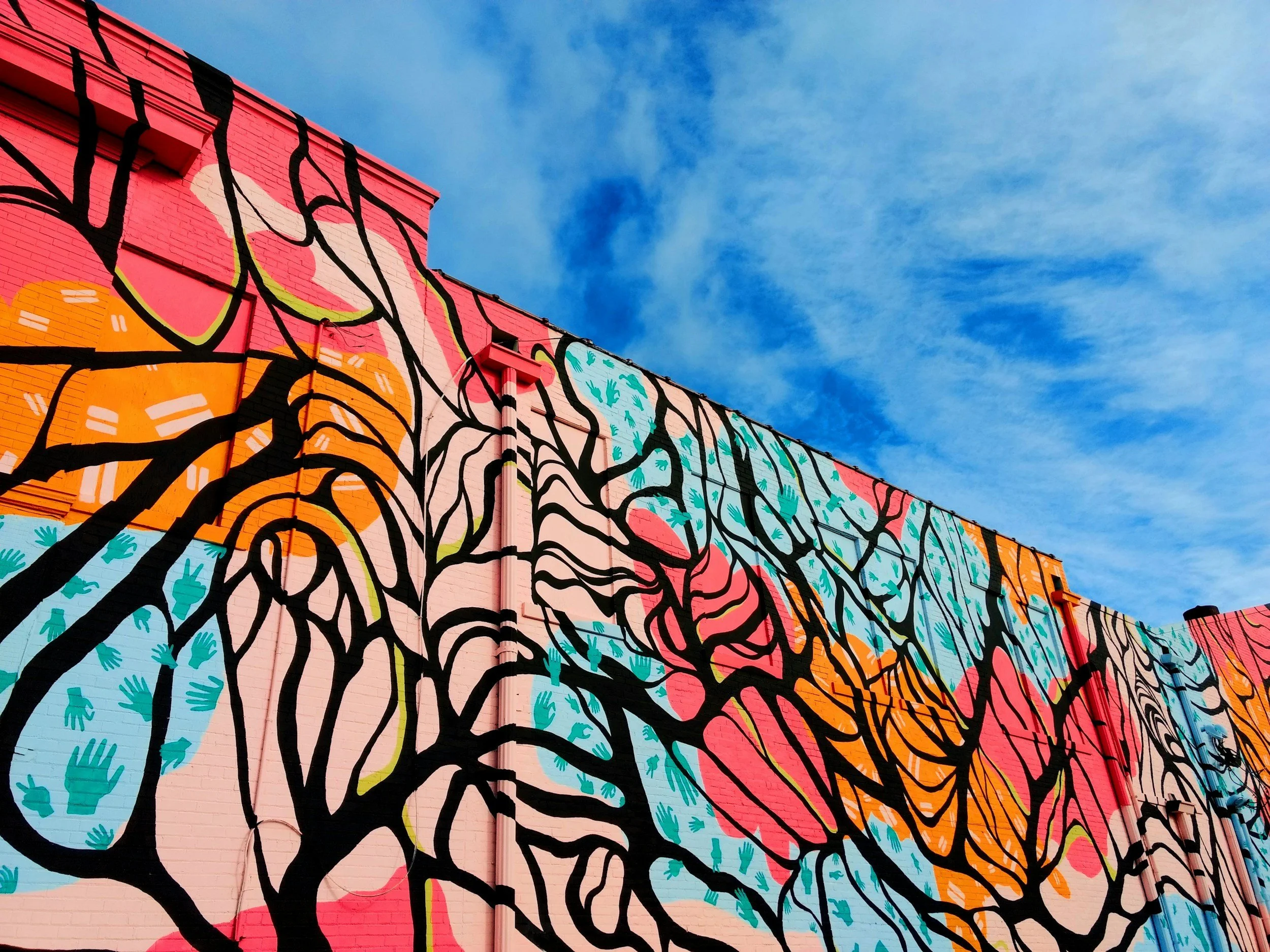
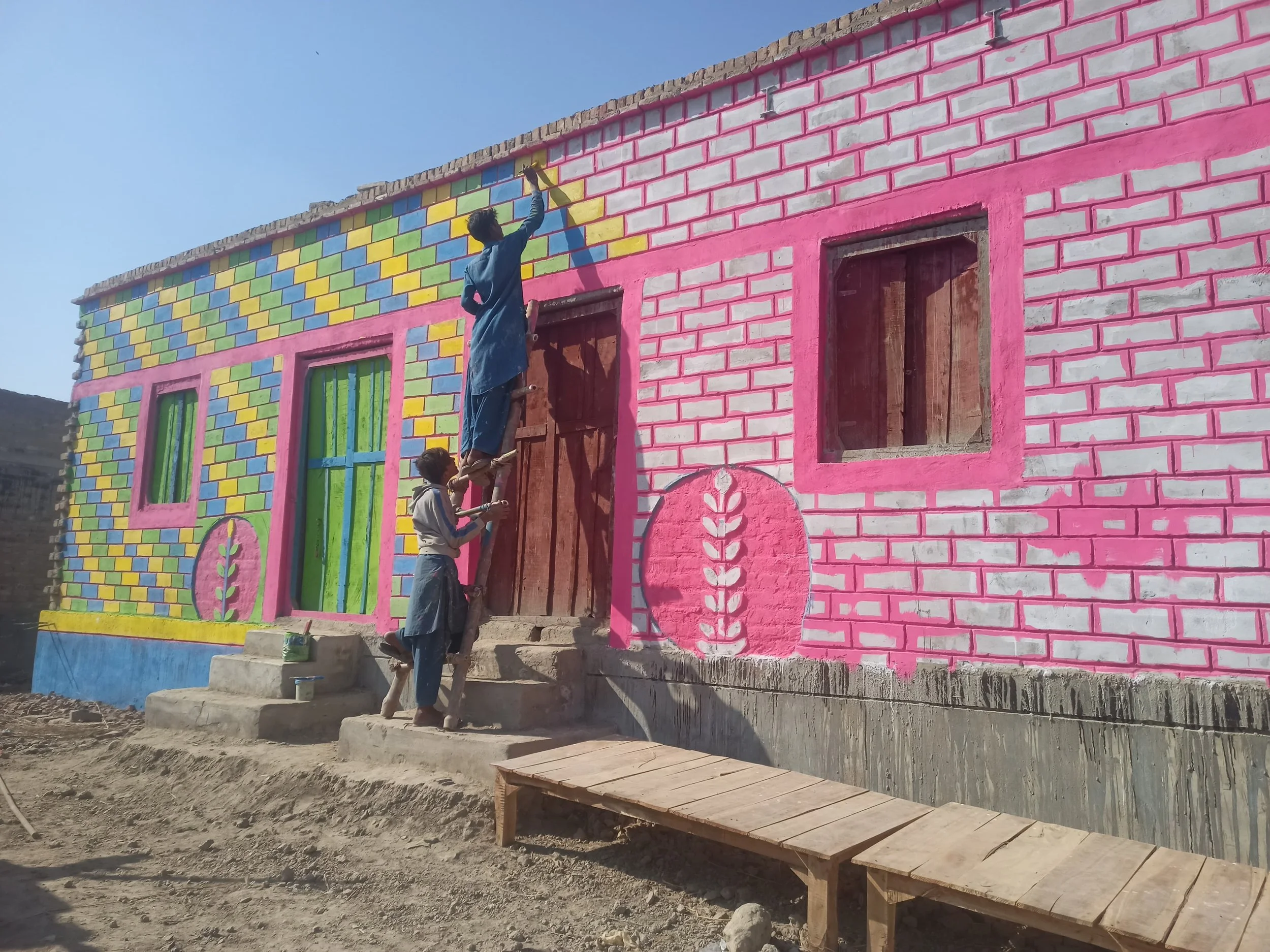
Reviving tradition
After floods destroyed all homes in one community, residents used local training and collective effort to repaint rebuilt homes in traditional patterns, restoring a shared visual language of home.
FAQ
-
EveryPlace is guided by four values: joy, community, imagination, and achievement. We exist to fill a gap in humanitarian and development work — to champion what often gets left out: beauty, creativity, and celebration. We believe in everything that makes life worth living, not just the basics of staying alive. And we believe that when communities are trusted to dream, extraordinary things come into being.
Our role is to support, learn, and amplify. We're here to:
Get you support and resources
Provide training and tools
Create a convening space where you can connect with other organizations doing similar work
Promote your work to donors, policymakers, and the wider world
Connect you with technical advisors (artists, designers, placemakers) who can offer guidance
Everyplace does not decide what your project should be. We do not run your project. Your community leads. We support.
-
There's no external definition of what beauty should look like. Yes, there are principles in architecture and design about what creates good spaces — but we're not talking about that.
We're talking about what beauty means to your community. What your community values. What they want to protect, celebrate, and create.
Beauty is expressed differently everywhere. Your community will show us what beauty means to them.
It might be gardens. It might be painted walls. It might be gathering spaces, decorated doorways, or revived traditions. The point is: beauty is how people stay human, remember who they are, and create a sense of home.
-
No. You need to be community connectors and facilitators. You need to know your community, have their trust, and be able to bring people together.
Through phase one, you’ll start identify experts within your own community who might guide the technical aspects. Everyplace will also work to connect you to other technical experts as needed to refine your plan in phase 2.
-
You can use it for small payments to community helpers, transportation, printing photos, refreshments for meetings, and any other costs related to the community mapping process.
-
Not necessarily. After Phase 1, we'll review what you learned and decide together if there's a good project to move forward with. But even if you only complete Phase 1, you keep the funding, keep everything you learned, and your community's story becomes part of our global campaign.
-
Yes. We care more about trust, commitment, and connection to community than the size of your organization.
-
It all depends on your community and capacity.
Phase 1 should take about 30-40 hours over 1-2 months, including planning, community meetings, documentation, and reporting.
Phase 2 (planning) has sometimes gone really quickly (as plans have become clear during phase 1), other times this has taken 4-5 months for necessary consultations, partnership building etc.
Phase 3 - implementation: This often actually goes the fastest and can sometimes happen in a few weeks and other times over 1-2 months depending on the scope.
-
Primarily by email, WhatsApp, and video calls. We'll have regular check ins to make sure you have what you need.
Interested?
Apply or nominate an organization today
Applications are reviewed on a rolling basis.
We will be reviewing applications for our second cohort in September 2026. Please apply by August 31, 2026 to be considered.