
Ubuchange
Location
Kyaka II Settlement
Founder
Didier Maliki
Uganda/Ubuchange
Where is beauty here?
Over two days, UBUCHANGE sat down with 68 people in Bukere Zone of Kyaka II for interviews and group conversations, mostly refugee women from its Creative Women Salespreneur Program, alongside youth. Before anyone named a physical place, women named peace itself.
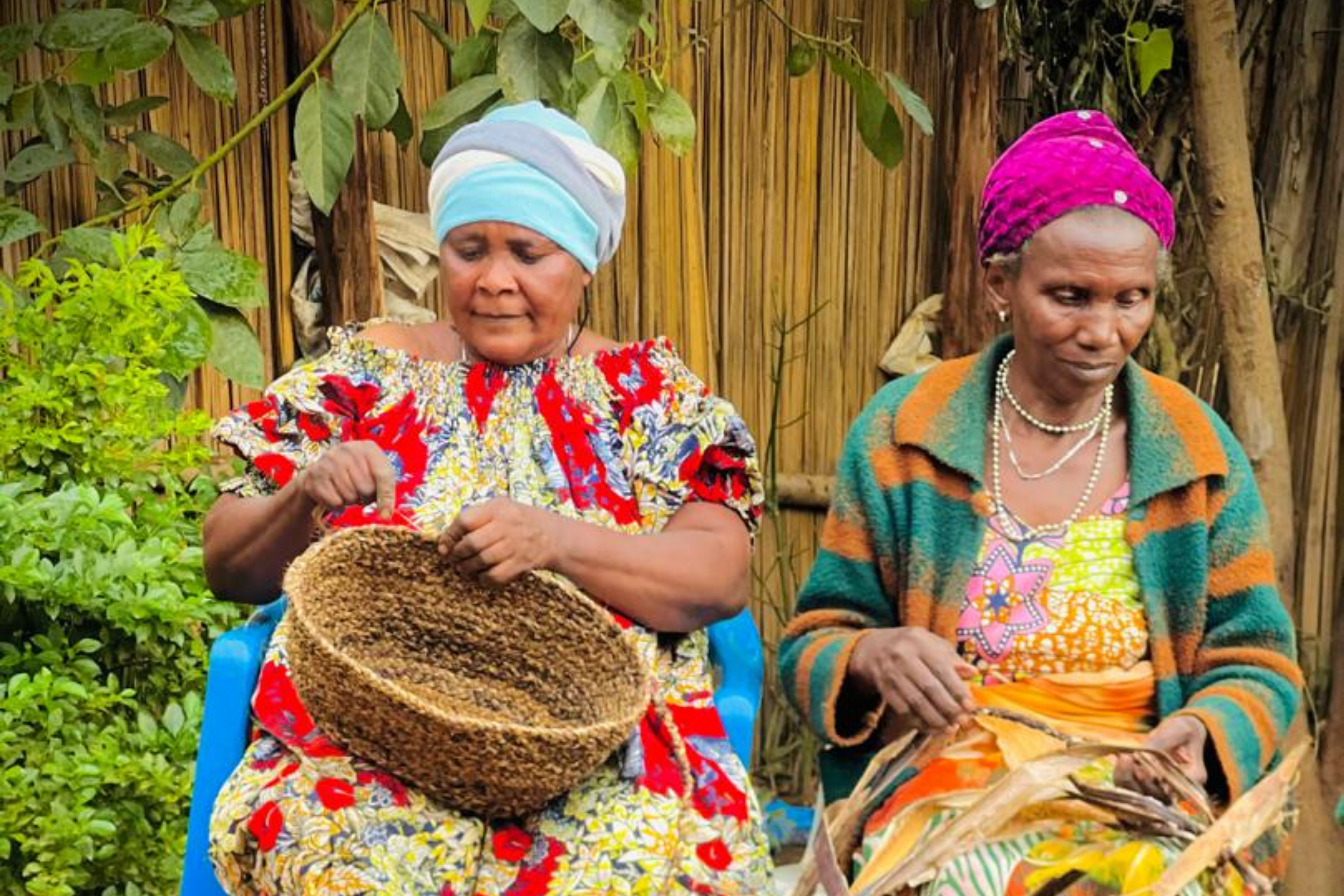
After fleeing conflict, being able to live without fear. And the weaving circles, where women make baskets and bags from banana bark, turned out to be about far more than livelihood. They are where people share their lives and hold each other up.
"Here in Uganda we have peace. For me that is beauty, because we can live without fear." — Participant, community consultation

— Participant, community consultation"When we sit together and weave bags and baskets, we talk about our lives and support each other emotionally and mentally. It is more than a creative space, it is a healing space for us."
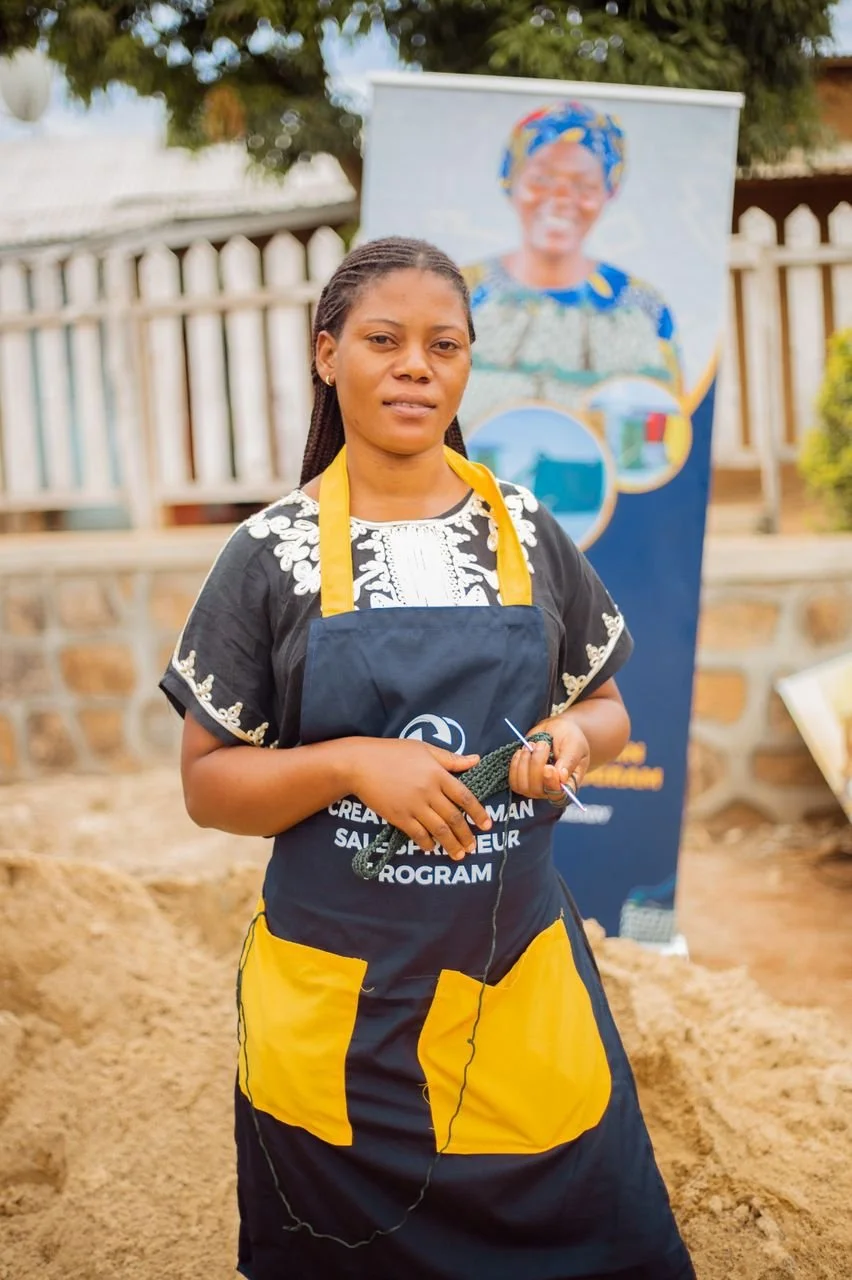
— Esther, 36, basket weaver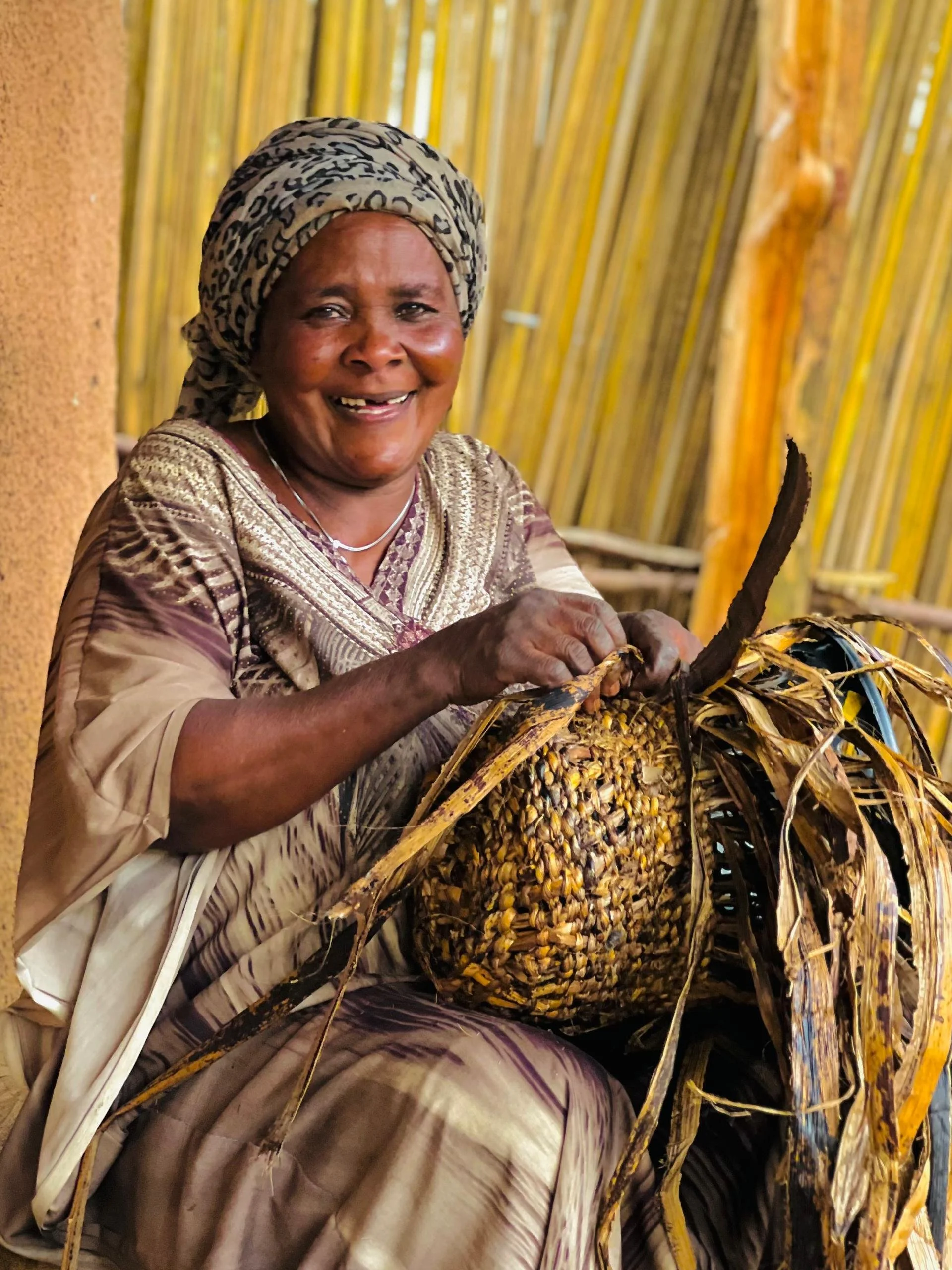
"When we have a place where people can meet, celebrate, and share stories, it makes this place feel like home."
— Joelle 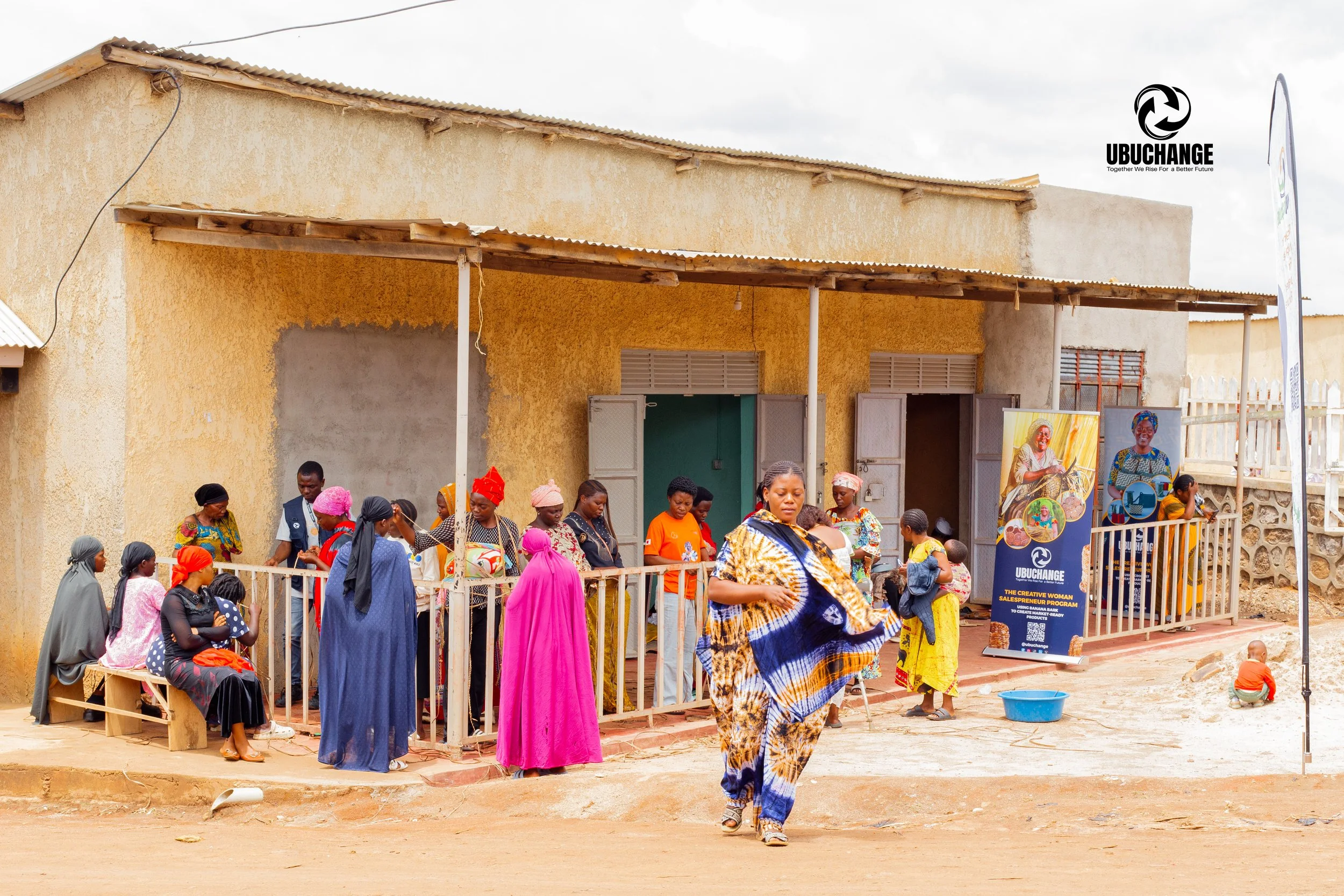
What they’re building
The community asked for a safe, permanent home for the gathering and making that is already healing them. UBUCHANGE is turning its workspace into a Creative Center, a walled and gated compound with a shaded open hangar, murals, a water point, and room for 70 women and 30 youth to train, produce, and sell their handmade work.
Ubuchange
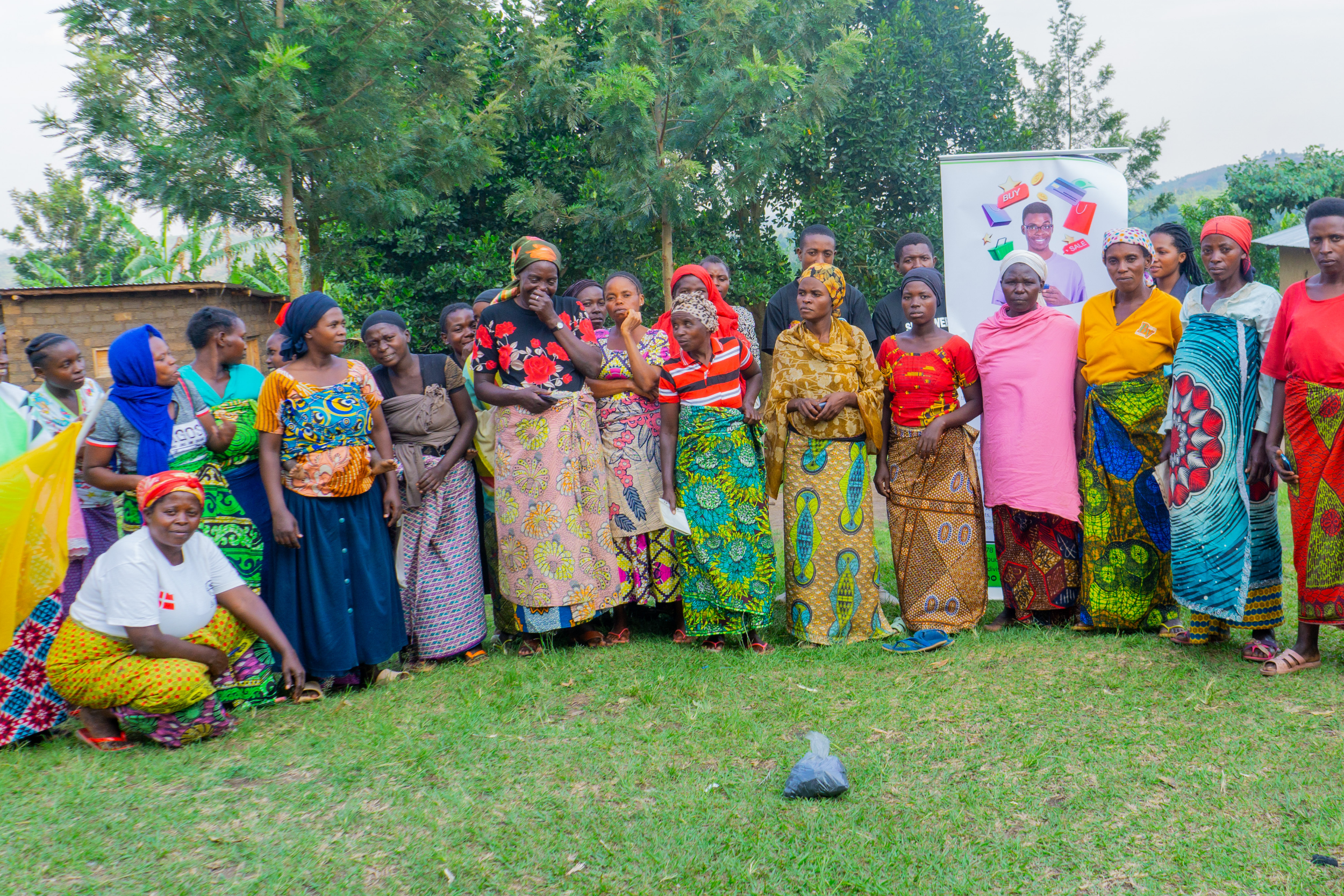
UBUCHANGE is a refugee-led initiative in Kyaka II Refugee Settlement that supports artisans and entrepreneurs to build sustainable livelihoods through creativity.
Founded by Didier Maliki, the organization helps refugees develop market-ready products, strengthen digital marketing skills, and grow small businesses. Rooted in the belief that refugees are creators and providers, UBUCHANGE combines economic empowerment with community healing through shared creative practices and cultural expression.
“When people create with their hands and see the value of their work, they begin to see their own value. Creativity becomes not just income, but a path to dignity and belonging.”
Photo credits: UBUCHANG, 2026
— DIDIER MALIK